Beste Werktassen voor Pendelen: Wat Belangrijk Is

Op het moment dat een werktas vervelend wordt, valt hij overal op – op de stationstrap, in het fietspad, bij het kluisje, aan het flexwerkplekje. De beste werktassen voor woon-werkverkeer doen meer dan alleen een laptop dragen. Ze verminderen wrijving gedurende de hele werkdag, van het verlaten van huis tot het opzetten van een gedeelde werkplek zonder rommel, lawaai of onnodige bewegingen.
Dat maakt het een ontwerpkeuze net zo goed als een aankoopbeslissing. Een goede tas voor woon-werkverkeer moet mobiliteit ondersteunen, je spullen beschermen en je helpen een rustige, functionele werkplek te creëren, waar je ook bent. Als hij er verfijnd uitziet, lang meegaat en alles op zijn plek houdt, is dat nog beter. Voor hybride werken is die combinatie geen luxe, maar de basis.
Wat de beste werktassen voor woon-werkverkeer moeten kunnen
Veel tassen lijken geschikt als ze leeg zijn. De echte test begint wanneer je ze vult met een laptop, oplader, notitieboek, fles, sleutels, koptelefoon en de kleine essentials die bij modern werk horen. Voeg daar een treinreis, een wandeling tussen gebouwen of een wisseling van kantoor naar huis aan toe, en slecht ontwerp wordt snel duidelijk.
De beste werktassen voor woon-werkverkeer balanceren vijf dingen: comfort, bescherming, organisatie, duurzaamheid en visuele terughoudendheid. Als er één ontbreekt, schiet de tas vaak tekort in dagelijks gebruik. Een strakke tas die in je schouder snijdt is niet praktisch. Een technisch geavanceerde tas met eindeloze vakken kan lomp en afleidend aanvoelen. En een grote tas zonder interne structuur verandert vaak in een zachte hoop kabels en papier.
De juiste keuze hangt af van hoe je reist en hoe je werkt zodra je aankomt. Iemand die tussen klantafspraken, treinen en flexplekken beweegt, heeft andere eigenschappen nodig dan iemand die elke dag naar een studio fietst met dezelfde opstelling. De vraag is minder om één universeel perfecte tas te vinden en meer om het juiste formaat voor jouw routine.
Begin bij je woon-werkverkeer, niet bij de tas
Een korte wandeling van de parkeerplaats naar kantoor geeft meestal meer vrijheid in vorm en gewicht. Een langere reis met treinperrons, trappen en staanplaatsen vraagt om een tas die dicht bij het lichaam blijft en het gewicht goed verdeelt. Als je fietst, zijn waterbestendigheid en stabiliteit belangrijker dan een gepolijste tote-vorm. Als je door beveiligingspoorten, kluisjes of gedeelde kantooropslag gaat, wordt externe bulk een dagelijkse frustratie.
Hier overschatten mensen vaak de capaciteit en onderschatten ze het draagcomfort. Grotere tassen lijken in theorie handig, maar ongebruikte ruimte nodigt uit tot overpakken. Die extra trui, tweede notitieboek en grote fles voegen allemaal gewicht toe. Een betere aanpak is je kern mobiele uitrusting te definiëren en een tas te kiezen die die netjes draagt, zonder rommel aan te moedigen.
Voor veel professionals betekent dat genoeg ruimte voor een laptop, oplader, documenten, persoonlijke spullen en één of twee accessoires voor de werkplek. Als je functie sitebezoeken, materiaalmonsters of grotere technologie omvat, heb je misschien meer volume nodig. Maar voor desk-sharing en hybride kantoorgebruik werken overzichtelijke indelingen meestal beter dan te grote reistassen.
Kies het juiste type tas
Rugzakken blijven de sterkste allround optie voor langere of fysiek zwaardere woon-werkverkeer. Ze verdelen het gewicht gelijkmatig, houden je handen vrij en bieden over het algemeen de meest veilige draagwijze. Voor wie zich door steden of campussen beweegt, is een goed ontworpen rugzak vaak het meest praktisch. Het nadeel is het uiterlijk: sommige rugzakken kunnen te casual of te robuust aanvoelen in professionele omgevingen. De beste vermijden beide uitersten met strakke lijnen en een gestructureerde vorm.
Tote bags en schoudertassen zijn geschikt voor lichtere ladingen en kortere afstanden. Ze kunnen architectonischer en kantoorpassender aanvoelen, vooral in designgerichte omgevingen, maar ze belasten één kant van het lichaam meer. Als je regelmatig een laptop plus accessoires draagt, wordt dat onevenwicht merkbaar. Een tote werkt goed bij een korte woon-werkafstand en een gedisciplineerde dagelijkse lading. Minder goed als elke reis trappen, perrons en een zware computer omvat.
Messenger-tassen zitten er ergens tussenin. Ze bieden snelle toegang en een compact profiel, wat handig kan zijn voor stedelijk woon-werkverkeer, maar comfort hangt sterk af van het ontwerp van de band en het gewicht van de lading. Volgeladen met technologie kunnen ze ongemakkelijk trekken over rug en schouder.
Voor de meeste hybride werkers biedt een verfijnde rugzak of een gestructureerde multi-carry tas de beste balans. Hij ondersteunt beweging en behoudt een professionele uitstraling, vooral in gedeelde werkplekken waar de tas vaak naast het bureau staat als onderdeel van de visuele omgeving.
Organisatie is belangrijker dan extra ruimte
Goede organisatie moet onzichtbaar aanvoelen. Je moet weten waar je essentials zijn zonder drie ritsen te openen of alles op een bureau te kieperen. Dat is vooral waardevol in hot-desking omgevingen, waar snel opzetten telt en de werkruimte beperkt kan zijn.
Zoek naar een speciaal laptopvak met goede padding, plus aparte opbergmogelijkheden voor kleinere spullen die anders naar de bodem zouden zakken. Een plek voor kabels, pennen, badges, sleutels en koptelefoons maakt op den duur een verrassend verschil. Het houdt je bureau overzichtelijker en je ochtendroutine sneller.
Er is wel een grens. Te veel vakken kunnen star en verspild worden, vooral als ze zijn gevormd voor zeer specifieke items die je niet draagt. De beste tassen bieden structuur zonder elk detail voor te schrijven. Een flexibele interne indeling veroudert vaak beter dan een sterk gesegmenteerde.
Dit is ook waarom draagbare organizers en tech-etuis zo goed samengaan met reistassen. Ze zorgen ervoor dat de tas zelf schoon en aanpasbaar blijft, terwijl de inhoud per functie gegroepeerd blijft. Voor flexwerkers is die modulaire aanpak vaak logischer dan alleen op de tas vertrouwen voor alle organisatie.
Bescherming zonder bulk
De meeste mensen dragen hun kantoor nu in één compact pakket, dus bescherming is ononderhandelbaar. Laptoptassen moeten gevoerd zijn en iets verhoogd van de bodem, zodat het apparaat niet elke keer de impact opvangt als de tas wordt neergezet. Waterbestendige materialen zijn handig voor dagelijks woon-werkverkeer, vooral in het VK en Noord-Europa, maar een stijve, zware constructie is niet altijd de oplossing.
Een tas kan beschermend zijn zonder als een harnas te voelen. Sterker nog, overgebouwde tassen creëren vaak hun eigen probleem doordat ze zwaar worden voordat je ook maar één item hebt ingepakt. Betere materialen, doordachte paneelconstructie en stabiele bodems bereiken meestal meer dan pure dikte.
Let op de kwaliteit van ritsen, bevestigingen van banden en hoe de tas zijn vorm behoudt als hij halfvol is. Deze details worden online makkelijk over het hoofd gezien, maar bepalen hoe de tas presteert na maanden echt gebruik. Een premium werktas moet onder druk stevig aanvoelen, niet ingezakt of vervormd.
Materiaalkeuze geeft kwaliteit en doel aan
Materialen beïnvloeden comfort, duurzaamheid, uitstraling en hoe de tas past in professionele omgevingen. Gerecyclede textielsoorten, verfijnde geweven stoffen en verantwoord gekozen afwerkingen kunnen een schoner, lichter resultaat geven dan zware leren alternatieven, terwijl ze toch premium aanvoelen. Dat is belangrijk voor modern woon-werkverkeer, waarbij de tas lange periodes wordt gedragen en op verschillende plekken op één dag wordt gebruikt.
Textuur verandert ook het karakter van een tas. Gladde, matte afwerkingen voelen vaak rustiger en architectonischer. Glanzende technische oppervlakken kunnen sportiever ogen. Geen van beide is automatisch goed of fout, maar de keuze moet aansluiten bij je omgeving. In een designstudio, klantafspraak of gedeeld hoofdkantoor reist visuele terughoudendheid vaak beter dan opvallende performance-styling.
Dit is een reden waarom designgerichte merken terrein winnen in deze categorie. Mensen willen steeds vaker een tas die presteert als uitrusting maar eruitziet als onderdeel van een doordachte werkplek. Gustav past natuurlijk in die ruimte, waar draagbaarheid, organisatie en premium materialen samen moeten werken in plaats van concurreren.
Pas de tas aan je werkstijl aan
Als je je uitrusting meeneemt tussen thuis, kantoor en derde plekken, denk dan verder dan transport. Vraag hoe de tas aankomst ondersteunt. Kun je snel je laptop, accessoires en dagelijkse tools eruit halen? Helpt hij je een opgeruimd bureau te houden? Moedigt hij je aan alleen mee te nemen wat je nodig hebt?
Voor werkplekontwerpers en beslissers is dit ook op grotere schaal belangrijk. De beste werktassen voor woon-werkverkeer kunnen schoner desk-sharing gedrag ondersteunen omdat ze persoonlijke spullen makkelijker maken om te dragen, op te bergen en te organiseren. Wanneer gebruikers een praktische manier hebben om hun essentials te verplaatsen, werken flexibele kantoorsystemen meestal soepeler.
Dat betekent niet dat elke medewerker hetzelfde formaat nodig heeft. Sommigen geven prioriteit aan fietscomfort, anderen aan presentatie, weer anderen aan capaciteit voor sitebezoeken. Maar de gedeelde eis is duidelijk: de tas moet mobiel werken bewuster maken, niet improviserender.
Wat je moet vermijden bij het kiezen van een tas voor woon-werkverkeer
De gebruikelijke fouten zijn bekend. Kopen voor zeldzame situaties in plaats van dagelijks gebruik. Stijl kiezen zonder rekening te houden met gewichtsverdeling. Te groot gaan in naam van flexibiliteit. Of een tas kiezen met eindeloze opbergruimte maar zonder duidelijke indeling.
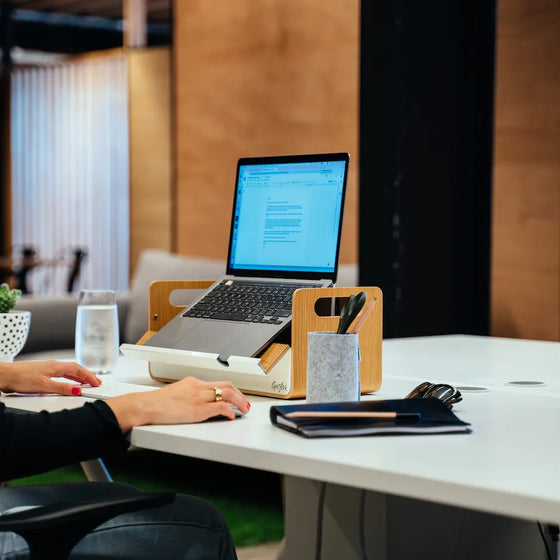
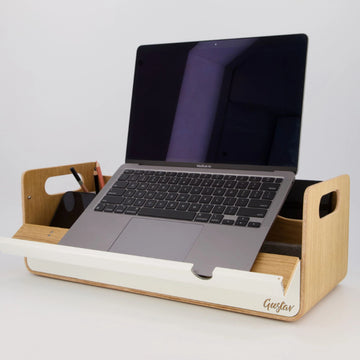
Een andere veelvoorkomende fout is de tas als losstaand object zien in plaats van als onderdeel van een bredere mobiele werkplek. De sterkste opstellingen combineren vaak een goed geproportioneerde tas met een laptopstandaard, organizer of etuisysteem dat orde schept van tas tot bureau. Daar stopt woon-werkverkeer met het sjouwen van spullen en begint het met het doelbewust verplaatsen van een werkplek.
Een goede werktas vraagt niet de hele dag om aandacht. Hij draagt prettig, beschermt wat belangrijk is, organiseert de essentials en staat netjes naast je als de reis voorbij is. Als dat gebeurt, voelt het woon-werkverkeer lichter, gaat het opzetten sneller en begint de werkdag met minder weerstand.