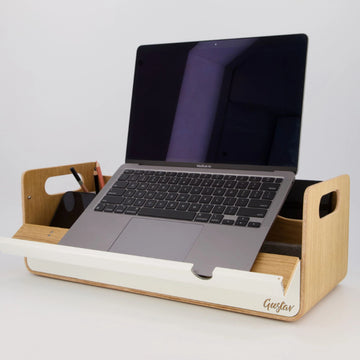
Ein Leitfaden zu Werkzeugen für Arbeitsplatzspezifikationen

Ein Arbeitsplatzprojekt kann überraschend schnell an Klarheit verlieren. Ein Team konzentriert sich auf das Layout, ein anderes auf die Einhaltung von Vorschriften, ein weiteres auf die Benutzererfahrung, und irgendwo zwischen Zeichnungen, Zeitplänen und Beschaffungsliste beginnt das ursprüngliche Briefing zu verschwimmen. Ein klarer Leitfaden für Arbeitsplatz-Spezifikationstools ist wichtig, weil er Entscheidungen in Einklang bringt – nicht nur mit Grundrissen, sondern auch damit, wie Menschen tatsächlich arbeiten.
Für Architekten, Arbeitsplatzstrategen, Facility-Teams und Designer sind Spezifikationstools nicht einfach nur Verwaltung. Sie prägen die Qualität der fertigen Umgebung. Sie bestimmen, ob ein Büro mit Schreibtischteilung ruhig oder chaotisch wirkt, ob mobile Mitarbeiter sich in Sekunden bequem einrichten können und ob Materialien, Maße und Anwendungsfälle früh genug berücksichtigt wurden, um spätere Kompromisse zu vermeiden.
Wofür Arbeitsplatz-Spezifikationstools wirklich da sind
Im besten Fall schaffen Arbeitsplatz-Spezifikationstools eine gemeinsame Sprache im Projekt. Sie übersetzen die Designabsicht in etwas Praktisches: genaue Maße, Oberflächen, Materialinformationen, beabsichtigte Nutzung, Platzierungslogik und beschaffungsfertige Details. Das klingt einfach, aber der eigentliche Wert liegt in der Koordination.
Ein Produkt kann in einer Konzeptvisualisierung richtig aussehen und dennoch für den Arbeitsplatz ungeeignet sein. Es könnte zu viel Tiefe an einem kleineren gemeinsamen Schreibtisch einnehmen. Es könnte keine Kabelverwaltung unterstützen. Es könnte schwer zu bewegen sein, ungeeignet für eine schnelle tägliche Einrichtung oder nicht mit einer Clean-Desk-Policy vereinbar. Spezifikationstools helfen Teams, diese Punkte zu prüfen, bevor sie zu teuren Problemen werden.
Das ist besonders relevant in hybriden Umgebungen. Im traditionellen Büro war die Frage oft, ob ein Produkt an einem festen Standort funktioniert. In einem flexiblen Büro ist die Frage umfassender: Funktioniert es noch, wenn Nutzer, Schreibtisch und Aufgabe sich im Laufe der Woche ändern?
Die wichtigsten Arbeitsplatz-Spezifikationstools
Ein nützlicher Leitfaden für Arbeitsplatz-Spezifikationstools beginnt mit der Erkenntnis, dass kein einzelnes Dokument alles abdeckt. Die besten Spezifikationen werden meist über eine kleine Auswahl ergänzender Ressourcen erstellt.
Produktdatenblätter
Das ist die Basis. Ein aussagekräftiges Datenblatt sollte Maße, Materialien, Oberflächenoptionen, relevante funktionale Details und genügend technische Klarheit bieten, damit Design- und Beschaffungsteams eine fundierte Entscheidung treffen können. Wenn ein Produkt mobiles Arbeiten, Schreibtischteilung oder ergonomische Einrichtung unterstützt, sollte das explizit und nicht nur angedeutet sein.
Bei Arbeitsplatzzubehör sind die feinen Details wichtig. Gewicht, Portabilität, Lagerverhalten und Einrichtungsgeschwindigkeit sind oft genauso wichtig wie die optische Oberfläche. Ein Laptopständer, Organizer oder Technikbeutel mag im Vergleich zu Möbeln sekundär erscheinen, aber in einem flexiblen Büro prägen diese Elemente oft die tägliche Nutzererfahrung direkter.
Spezifikationspläne
Pläne bringen Ordnung in die Komplexität. Sie helfen Teams, Produkte nach Zonen, Raumtypen oder Anwendungsfällen zuzuordnen und Referenzen über Zeichnungen und Beschaffungsdokumente hinweg konsistent zu halten. Hier beginnt das Projekt baubar zu werden.
Das Risiko bei Plänen ist, dass wichtige Nuancen verloren gehen können. Zwei Produkte können in dieselbe Kategorie fallen, aber sehr unterschiedliche Arbeitsplatzbedürfnisse erfüllen. Ein gemeinsamer Anlaufbereich erfordert zum Beispiel eine andere Zubehörlogik als eine Fokuszone oder ein Teamviertel. Gute Pläne bleiben präzise genug, um diese Unterschiede abzubilden.
CAD- und Planungsdateien
Planungsdateien helfen Teams, Passform, Freiräume und Layoutbeziehungen frühzeitig zu testen. Das ist besonders wichtig bei der Spezifikation kleinerer Arbeitsplatzzubehörteile, die mit Schreibtischen, Bildschirmen, Sitzgelegenheiten und Stauraum interagieren. Ein Produkt, das für sich allein gut funktioniert, kann Reibung erzeugen, wenn es die Arbeitsfläche überfüllt oder mit angrenzenden Elementen kollidiert.
Für Designer ist dies der Punkt, an dem Form und Funktion zusammenkommen. Das Produkt sollte sauber ins Konzept passen, aber auch die tägliche Arbeitschoreografie respektieren – Ankommen, Auspacken, Anpassen, Verbinden und Aufräumen.
Oberflächen- und Materialreferenzen
Materialität ist in der Arbeitsplatzgestaltung selten eine oberflächliche Frage. Sie beeinflusst Haltbarkeit, Pflegeaufwand, akustisches Verhalten, visuelle Ruhe und wie hochwertig ein Raum in der Nutzung wirkt. Oberflächenreferenzen helfen Teams zu beurteilen, ob ein Produkt in die Gesamtpalette passt und ob es in einer stark genutzten Umgebung gut altert.
Hier gilt es immer, eine Balance zu finden. Die optisch auffälligste Option ist nicht automatisch die richtige für einen gemeinsamen Arbeitsplatz. In vielen Projekten sind Konsistenz, Haptik und langfristige Widerstandsfähigkeit nützlicher als Neuheit.
Nutzungshinweise und Arbeitsplatzkontext
Dies ist das Tool, das viele Projekte übersehen. Technische Unterlagen erklären, was ein Produkt ist, aber nicht immer, wie es in einem realen Arbeitsplatz eingesetzt werden sollte. Hinweise zur Aufgabenanpassung, Nutzer-Einrichtung, Portabilität und Zonierung können verhindern, dass ein gut spezifiziertes Produkt schlecht eingesetzt wird.
Das ist wichtig in Schreibtischteilungsumgebungen, in denen dasselbe Produkt im Laufe der Zeit Dutzende verschiedene Nutzer unterstützt. Wenn das Produkt zum Transport, zur ordentlichen Aufbewahrung oder zur schnellen Schaffung eines persönlichen Arbeitsplatzes gedacht ist, sollte die Spezifikation diese Rolle klar machen.
Was vor der Spezifikation zu prüfen ist
Spezifikation sollte niemals nur auf Aussehen und Maße reduziert werden. In flexiblen Arbeitsumgebungen sind drei Fragen meist wichtiger, als Teams zunächst erwarten.
Die erste ist, wie sich das Produkt in Bewegung verhält. Lässt es sich leicht zwischen Zuhause und Büro oder zwischen Schließfächern und Schreibtischen transportieren? Unterstützt es eine schnelle Einrichtung ohne Reibung? Wenn die Arbeitsplatzstrategie auf Mobilität setzt, können statische Lösungen diese still untergraben.
Die zweite ist, wie das Produkt Ordnung unterstützt. Gemeinsame Umgebungen profitieren von Werkzeugen, die Kabel, Dokumente und Geräte mit minimaler visueller Unordnung bündeln. Das betrifft nicht nur Sauberkeit, sondern beeinflusst auch die wahrgenommene Qualität, die Reinigungsfreundlichkeit und das allgemeine Ruhegefühl im Raum.
Die dritte ist, ob das Produkt eine gesunde Arbeitshaltung unter realistischen Bedingungen unterstützt. Ein Arbeitsplatzzubehör muss nicht alle ergonomischen Probleme allein lösen, sollte aber positiv zum Gesamtsetup beitragen. Das kann bedeuten, die Bildschirmhöhe zu verbessern, ungünstige Reichweiten zu verringern oder Nutzern zu helfen, eine wiederholbare Arbeitsposition zu schaffen, egal wo sie sitzen.
Warum die Arbeitsplatzspezifikation heute einen breiteren Blick braucht
Früher konzentrierte sich die Spezifikation stark auf feste Ausstattung – Schreibtische, Stühle, Bildschirme, Stauraum, Beleuchtung. Diese sind weiterhin wichtig, aber der moderne Arbeitsplatz stellt komplexere Anforderungen. Mitarbeiter bewegen sich mehr. Schreibtischbesitz ist weniger vorhersehbar. Die Grenzen zwischen Büro, Homeoffice und Drittorten sind verschwommen.
Das verändert die Rolle von Zubehör und tragbaren Werkzeugen. Sie sind keine nachträglichen Gedanken am Projektende mehr. In vielen Konzepten sind sie Teil des Betriebsmodells. Sie helfen Menschen, ihre Essentials zu transportieren, sich schnell einzurichten, den Schreibtisch sauber zu halten und eine gewisse Konsistenz über wechselnde Umgebungen hinweg zu schaffen.
Für Büroplaner und FM-Teams hat das praktische Folgen. Die besten Spezifikationsentscheidungen unterstützen oft das Verhalten genauso wie das Layout. Ein Produkt kann schön gefertigt, richtig proportioniert und gut detailliert sein, aber wenn es nicht zur tatsächlichen Nutzung durch die Mitarbeiter passt, wird die Akzeptanz gering sein.
Wie man bessere Arbeitsplatz-Spezifikationstools auswählt
Das richtige Set an Tools hängt vom Umfang und Tempo des Projekts ab. Eine kompakte Renovierung benötigt vielleicht nur prägnante Produktblätter und einen klaren Plan. Ein Rollout über mehrere Standorte erfordert meist mehr Struktur mit Planungsdateien, Anwendungshinweisen und stärkerer Standardisierung zwischen den Teams.
Am wichtigsten ist die Benutzerfreundlichkeit. Wenn eine Spezifikationsressource schwer verständlich, zu knapp oder von realen Arbeitsplatzszenarien losgelöst ist, verlieren Teams das Vertrauen. Gute Tools reduzieren Entscheidungsstress. Sie ermöglichen es Architekten, Beschaffungsteams und Arbeitsplatzverantwortlichen, schnell zu handeln, ohne die Designabsicht zu verlieren.
Es hilft auch, Ressourcen zu bevorzugen, die zeigen, wie Produkte als Teil eines Systems funktionieren und nicht isoliert. In hybriden und Schreibtischteilungsumgebungen ist die Spezifikation einzelner Artikel oft zu eng gefasst. Der Arbeitsplatz funktioniert besser, wenn Organizer, Ständer, Matten, Stauelemente und Transportlösungen gemeinsam betrachtet werden.
Das ist ein Grund, warum Premium-Marken für Arbeitsplätze bei der Spezifikation relevanter geworden sind. Die stärkeren Marken präsentieren nicht nur Objekte, sondern eine kohärente Möglichkeit, Mobilität, Ergonomie und Organisation in verschiedenen Umgebungen zu unterstützen. Für ein Projektteam kann diese Kohärenz Zeit sparen und gleichzeitig die Qualität erhöhen.
Die Kompromisse, die es zu beachten gilt
Nicht jeder Arbeitsplatz braucht das detaillierteste Spezifikationspaket, und nicht jede Produktkategorie verdient die gleiche Aufmerksamkeit. Teams müssen Prioritäten setzen. Wenn der Arbeitsplatz wenig Variation bei Schreibtischtypen und Nutzerverhalten aufweist, können einfachere Tools ausreichen.
Andererseits sind die Kosten einer Unter-Spezifikation oft erst nach der Nutzung sichtbar. Dann entstehen Unordnung, Reibungen bei der Schreibtischteilung und Mitarbeiter bringen improvisierte Lösungen von zu Hause mit, weil die Büroeinrichtung nicht ganz passt. Diese Probleme später zu beheben, ist selten elegant.
Es gibt auch einen Design-Kompromiss. Standardisierung verbessert Konsistenz und Effizienz bei der Einführung, aber zu viel Starrheit kann einen Arbeitsplatz unpersönlich oder grob wirken lassen. Ziel ist nicht Gleichheit um der Gleichheit willen, sondern ein kontrollierter Rahmen, der unterschiedliche Aufgaben und Nutzerbedürfnisse respektiert.
Eine nützlichere Sichtweise auf Spezifikation
Die effektivsten Arbeitsplatz-Spezifikationstools helfen nicht nur bei der Produktauswahl. Sie definieren die Arbeitserfahrung selbst. Sie machen klar, wie ein Raum funktionieren soll, wie er sich anfühlen soll und wie Designentscheidungen sich bewähren, wenn das Büro voll ist.
Dieser Wandel ist wichtig. In einem flexiblen Arbeitsplatz wird Qualität nicht mehr nur daran gemessen, was installiert ist. Sie wird daran gemessen, wie leicht Menschen ankommen, sich einrichten, konzentrieren und ohne Reibung weitermachen können. Wenn Spezifikationstools dieses Ergebnis unterstützen, sind sie keine Bürokratie mehr, sondern Teil der Arbeitsplatzstrategie.
Die besten Projekte sind meist diejenigen, bei denen jedes Element, selbst die kleineren tragbaren, mit Absicht spezifiziert wurde. Dort beginnt ein ruhigeres, leistungsfähigeres Büro.