Introducción al uso compartido de escritorios: ejemplos en oficinas

Lunes por la mañana, 8:45. El equipo está allí, pero nadie se sienta automáticamente en “su propio” escritorio. Aquí es precisamente donde se hace evidente si la introducción del desk sharing en la oficina de ejemplo ha sido realmente bien pensada, o si la flexibilidad simplemente genera fricción.
El desk sharing no es solo una estrategia de espacio. Para muchas organizaciones es una intervención en las rutinas, la cultura laboral y la experiencia del usuario al mismo tiempo. Quien defina el modelo solo por las tasas de ocupación puede ahorrar metros cuadrados, pero rápidamente perderá orientación, aceptación y productividad. Por el contrario, bien implementado, el desk sharing crea una oficina que se siente más ligera: más ordenada, ágil y mejor alineada con el trabajo híbrido.
Qué hace un buen ejemplo de desk sharing en la oficina
La mejor oficina de ejemplo para la introducción del desk sharing no comienza con el mobiliario, sino con una pregunta sencilla: ¿cómo trabajan realmente las personas aquí? Ventas, equipos de proyecto, gerentes, creativos y roles administrativos usan la oficina de manera diferente. Algunos necesitan tiempo diario de concentración, otros coordinación espontánea y otros una configuración técnica estable. El desk sharing solo funciona si estas diferencias se hacen visibles en la planificación.
Un ejemplo sólido de la práctica suele seguir tres principios. Primero: la oficina se divide en zonas de trabajo adecuadas, en lugar de simplemente multiplicar escritorios idénticos. Segundo: el equipo personal de trabajo se vuelve móvil y está disponible rápidamente. Tercero: las reglas son claras pero no burocráticas. El resultado no es un piso estéril, sino un sistema flexible con alta usabilidad.
La actitud detrás también importa. El desk sharing no debe sentirse como un programa de reducción de costos. Los empleados aceptan más fácilmente los espacios de trabajo flexibles cuando el entorno es de alta calidad, ergonómico y bien organizado. Quien pide a las personas que renuncien a su lugar fijo debe ofrecer a cambio una mejor experiencia diaria.
Introducir el desk sharing en la oficina: primero el uso, luego el espacio
Muchas implementaciones fallan por el orden incorrecto. Primero se reducen los escritorios, luego se adaptan los procesos para encajar. Lo contrario tiene más sentido. Antes de replanificar los espacios, vale la pena observar los patrones de asistencia, los ritmos de equipo y las tareas típicas.
Una oficina con equipos predominantemente híbridos generalmente no necesita una asignación uno a uno de escritorios. Pero sí necesita suficiente calidad en los escritorios disponibles. Si los empleados pasan cada mañana buscando cables de pantalla, ajustando sillas o descartando escritorios libres sin opciones de conexión, la flexibilidad se convierte en una pérdida diaria de tiempo.
Por eso una introducción adecuada comienza con una fase de análisis. No complicada, pero precisa. ¿Qué equipos están en el sitio en qué días? ¿Cuántos escritorios se usan realmente al mismo tiempo? ¿Qué actividades necesitan silencio y cuáles proximidad? De esto se deduce si una proporción de aproximadamente 0,7 u 0,8 espacios de trabajo por persona es viable, o si ciertas áreas necesitan más capacidad.
Especialmente para gestión de instalaciones, recursos humanos y estrategia de lugares de trabajo: la métrica por sí sola dice poco. Un martes completamente ocupado suele ser más relevante que un viernes vacío. Una buena planificación se orienta a las cargas máximas y a la calidad de uso, no solo a los promedios.
Un ejemplo realista para la introducción
Tomemos una oficina con 80 empleados, de los cuales un promedio de 45 a 55 personas están en el sitio al mismo tiempo. Antes todos tenían un escritorio fijo. Después del cambio hay 52 espacios de trabajo completamente equipados, complementados con áreas de concentración, zonas de reunión y espacios informales de colaboración. Eso inicialmente suena a menos escritorios, pero en realidad es un entorno de trabajo más diferenciado.
La introducción no ocurre de la noche a la mañana. Primero un equipo piloto prueba la nueva lógica durante seis a ocho semanas. Durante esta fase no solo se mide la utilización, sino también la experiencia de los usuarios: ¿encuentran rápidamente un lugar adecuado? ¿Funciona la tecnología? ¿Falta almacenamiento, privacidad visual o reglas claras? Esta retroalimentación es más valiosa que cualquier suposición teórica.
En el siguiente paso se definen estándares. Cada puesto recibe el mismo equipo técnico básico, las mismas opciones ergonómicas y el mismo sistema organizativo. Los objetos personales permanecen móviles. Cuando las personas llegan, preparan el lugar en unos pocos pasos sencillos y lo dejan al final del día en un estado ordenado. Esto reduce el desorden visual y apoya la aceptación en todo el espacio.
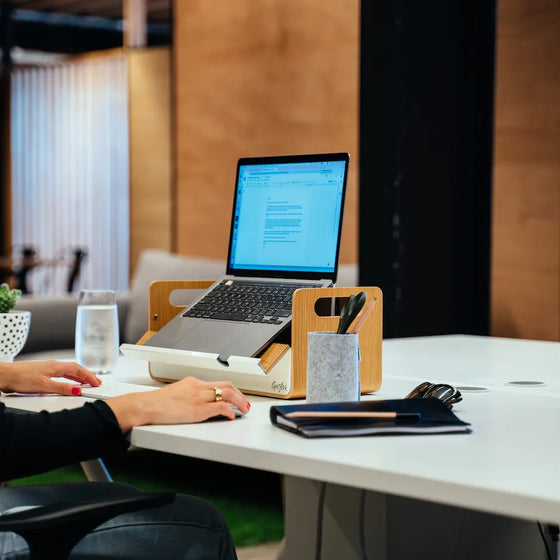
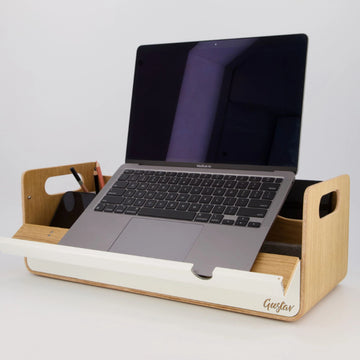
Es precisamente aquí donde las soluciones organizativas móviles se vuelven relevantes. Si los empleados pueden transportar sus objetos de trabajo más importantes agrupados y desplegarlos en segundos, el esfuerzo del cambio diario disminuye significativamente. Un concepto de desk sharing solo se siente realmente de alta calidad cuando la movilidad está bien pensada y no improvisada.
Por qué la aceptación depende de pequeños detalles
El error más común es pensar que los empleados rechazan fundamentalmente el desk sharing. En la práctica, a menudo rechazan otra cosa: una mala implementación. Sistemas de reserva poco claros, equipamiento inferior, falta de almacenamiento o la sensación de tener que renegociar cada mañana dónde pueden trabajar.
La aceptación surge donde el sistema se siente justo y sencillo. Nadie quiere verse obligado a ocupar los peores lugares cada día porque algunos equipos efectivamente siguen reservando “sus” escritorios. Igualmente problemático es un enfoque de escritorio limpio sin almacenamiento funcional. Si los objetos personales no pueden almacenarse de forma sensata, todo termina suelto en el suelo o se lleva de un lado a otro con desgana.
Por eso el desk sharing necesita más que reglas en un cartel. Necesita una configuración que tome en serio la vida cotidiana. Esto incluye estándares ergonómicos, tecnología confiable, buena señalización, almacenamiento adecuado y herramientas móviles que faciliten el orden en lugar de imponerlo. El diseño aquí no es un lujo. Es un factor de rendimiento porque hace el uso más intuitivo y reduce la barrera para la adopción.
Qué reglas son realmente útiles
Un buen conjunto de reglas es conciso. Define cómo se hacen las reservas, cuándo se liberan los escritorios, qué puede permanecer en el puesto y qué zonas están destinadas a qué actividades. Por lo general, eso es todo lo que se necesita.
Es importante que las reglas encajen con la cultura. En un estudio pequeño con alta coordinación, a menudo basta un sistema ligero basado en la confianza. En organizaciones más grandes con muchos departamentos, tiene más sentido una lógica clara de reservas y zonas definidas por equipo. Por lo tanto, no existe un patrón universal. Lo que funciona depende del tamaño de la empresa, el estilo de liderazgo y las formas de trabajo.
Otro punto que a menudo se subestima: los gerentes deben apoyar visiblemente el modelo. Si la dirección sigue reclamando informalmente lugares fijos, el concepto pierde credibilidad de inmediato. El desk sharing exige liderar con el ejemplo, especialmente donde las jerarquías son palpables en el espacio.
La oficina debe volverse más rápida de usar, no solo más flexible
La flexibilidad solo es progreso si reduce la fricción. Una oficina tras una buena introducción no se siente provisional. Se siente tranquila, clara e inmediatamente usable. Los empleados llegan, colocan su bolsa, ajustan la laptop a la altura correcta, conectan y comienzan a trabajar. Sin buscar cables, sin peleas por escritorios, sin desorden visual.
Para planificadores, arquitectos y empleadores este es un criterio central. La pregunta no es solo cuántos espacios de trabajo se han ahorrado, sino qué tan rápido y bien se puede activar un espacio de trabajo cada día. Cuanto más corto e intuitivo sea este momento, mejor funciona el desk sharing en la práctica.
Por eso muchos conceptos modernos apuestan por herramientas de espacio de trabajo móviles y de alta calidad en lugar de una lógica puramente estacionaria de mobiliario. Quien puede llevar su modo personal de trabajo en una estructura compacta y portátil se mantiene consistente, sin importar qué escritorio use. Eso fortalece la ergonomía, el orden y la rutina personal a la vez. Para las organizaciones esto crea una oficina que se ve profesional y se usa profesionalmente.
Cuándo el desk sharing no es la solución adecuada
No todas las oficinas se benefician por igual. Áreas con alta necesidad de confidencialidad, hardware especializado o estaciones de trabajo muy individualizadas a menudo requieren otros modelos. Los equipos con alta presencia y poca movilidad no siempre ganan con escritorios compartidos.
A veces un sistema híbrido es más sensato: lugares fijos para ciertos roles, zonas flexibles para equipos móviles. Esta forma mixta suele ser más realista que un cambio radical completo. Permite una mejor adaptación y reduce la resistencia durante la fase de introducción.
Un concepto de lugar de trabajo confiado reconoce esta diferencia. Sigue el uso real, no una tendencia. El desk sharing es poderoso cuando se usa deliberadamente, no cuando se vende como una respuesta universal.
Del concepto a la calidad diaria
La introducción del desk sharing en la oficina de ejemplo no se logra con una sola reunión de proyecto. Tiene éxito cuando estrategia, espacio, comportamiento y equipamiento encajan. La oficina debe reducir el pensamiento de propiedad sin perder calidad. Y debe volverse más ágil sin sentirse arbitraria.
Para los entornos de trabajo modernos la oportunidad está precisamente aquí. Cuando los lugares flexibles se combinan con claridad, ergonomía y organización de alta calidad, el desk sharing se convierte en más que gestión de espacio. Se convierte en un entorno laboral que toma en serio la movilidad y al mismo tiempo da a las personas una sensación de llegada.
Quien planifica la oficina de esta manera no solo planifica para cambiar de asiento. Planifica para mejores días de trabajo.