En guide til organisering af kontortasker

Mandag afslører som regel problemet. Du ankommer til et delt skrivebord, lynlåser din taske op og bruger de første fem minutter på at sortere kabler, notesbøger, opladere, kvitteringer og gårsdagens løse kuglepenne. En god guide til organisering af kontortasken starter der – ikke med oprydning for oprydningens skyld, men med at gøre opsætningen hurtigere, renere og mere konsekvent, uanset hvor arbejdet foregår.
For hybride professionelle er kontortasken ikke længere bare en bæregenstand. Den er en mobil arbejdsstation. Den skal understøtte bevægelse mellem hjem, kontor, kundested og togskrivebord uden at blive en opsamlingsplads. Det rette system reducerer friktion, beskytter udstyr og får hver overgang til at føles gennemtænkt frem for improviseret.
Hvorfor organisering af kontortasken betyder mere i hybridarbejde
I et fast kontor kan rod gemmes væk i en skuffe. I desk-sharing og fleksible miljøer skal hver genstand kunne transporteres godt. Det ændrer standarden fuldstændigt. Din taske skal kunne rumme det nødvendige på en måde, der understøtter hurtig opsætning, nem pakning og et ryddeligt skrivebord i den anden ende.
Dårlig organisering skaber små, men gentagne tab. Du glemmer et opladerkabel, fordi det var begravet under papirer. Dine høretelefoner bliver mast af en vandflaske. Du bærer dublerede genstande, fordi du ikke længere stoler på, hvad der allerede er i tasken. Intet af dette føles dramatisk, men over en arbejdsuge lægger det vægt, visuelt støj og forsinkelse til.
En velorganiseret taske gør noget mere stille og værdifuldt. Den skaber kontinuitet. Dine værktøjer er det samme sted hver dag, din arbejdsplads samles hurtigt, og din taske understøtter den måde, du arbejder på, i stedet for at forstyrre den.
Den bedste guide til organisering af kontortasken begynder med færre ting
Organisering handler ikke om at få mere plads i en taske. Det handler om kun at bære det, der fortjener sin plads. Den forskel er vigtig, især for vidensarbejdere, der bevæger sig mellem lokationer med en bærbar computer, strømtilbehør, skriveredskaber og nogle få personlige nødvendigheder.
Start med at adskille, hvad der er essentielt hver dag, fra hvad der er situationsbestemt. Din bærbare computer, oplader, telefonkabel, notesbog, penne og adgangsgenstande hører sandsynligvis til i det daglige sæt. En præsentationsklikker, trykt projektmappe eller skitseredskaber kan kun være nødvendige på visse dage. Hvis alt altid skal med, bliver tasken tungere og sværere at bruge.
Her fejler mange tasker. De tilbyder volumen, men ikke klarhed. Et stort hovedrum kan føles praktisk, indtil små genstande forsvinder i det. Mere plads hjælper kun, hvis indholdet er bevidst redigeret.
En nyttig test er enkel: Hvis du lagde alt fra din taske på et skrivebord, ville hver genstand så retfærdiggøre den vægt og plads, den optager? Hvis ikke, fjern den eller tildel den en sekundær pung, der kun bruges, når det er nødvendigt.
Opdel din taske i zoner
Den nemmeste måde at bevare orden på er at tænke i zoner frem for kun rum. Rum defineres af tasken. Zoner defineres af din arbejdsgang.
Den første zone er dit primære arbejdsudstyr. Dette bør inkludere de værktøjer, du har brug for for straks at kunne begynde arbejdet: bærbar computer, oplader, notesbog, pen og eventuelt kerneudstyr til enheder. Disse genstande skal være de mest tilgængelige og nemmeste at pakke igen. Hvis opsætningen sker flere gange om ugen, betyder hastighed noget.
Den anden zone er dit tekniske lag. Her hører opladerkabler, adaptere, mus, øretelefoner og bærbar batteri hjemme. At holde alt teknisk udstyr samlet forhindrer det velkendte problem med, at et kabel løsner sig og filtrer sammen med alt andet. En dedikeret pung fungerer godt her, fordi den flyttes som en enhed fra taske til skrivebord.
Den tredje zone er papir og planlægning. Hvis du stadig bærer dokumenter, skal de holdes flade og adskilt fra mere voluminøse genstande. Krøllede papirer, bøjede notesbøger og løse poststykker er som regel tegn på, at papiret ikke har en fast plads.
Den fjerde zone er personlige nødvendigheder. Nøgler, pung, rejsekort, læbepomade, briller og lignende ting bør sidde i en konsekvent lomme med hurtig adgang. De er ikke en del af skrivebordsopsætningen, så de bør ikke forstyrre den.
Den zonede tilgang lyder basal, men er ofte forskellen på en taske, der føles velordnet, og en der føles overfyldt.
Vælg punge med et formål
Punge er kun nyttige, når de reducerer visuel og fysisk rod. For mange, og tasken bliver et sæt indlejrede beholdere, der sænker dig. For få, og hver lille genstand får lov at flyde rundt.
Den bedste tilgang er selektiv. Én pung til teknisk udstyr er ofte nok. Hvis dit arbejde inkluderer værktøjer, der skal holdes rene eller beskyttede, som præsentationsmaterialer, designtilbehør eller specialudstyr, kan en anden pung give mening. Udover det vinder mådehold som regel.
Materialet betyder også noget. Strukturerede punge holder formen og gør pakning nemmere, mens blødere punge kan spare plads i slankere tasker. Det afhænger af, hvad du bærer, og hvor ofte du pakker helt ud. For daglige pendlere betyder form og synlighed ofte mere end at presse en ekstra genstand ind.
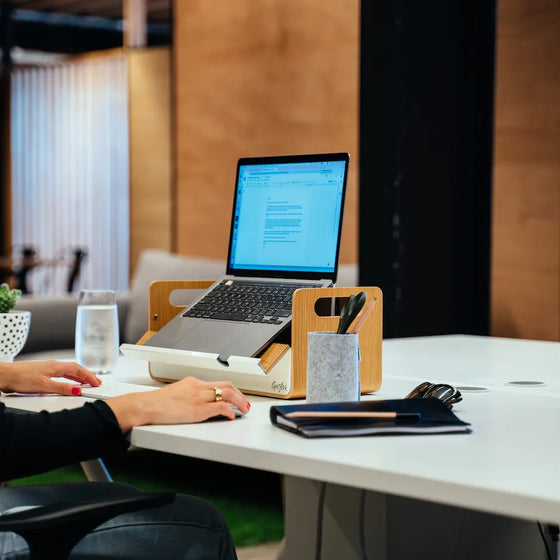
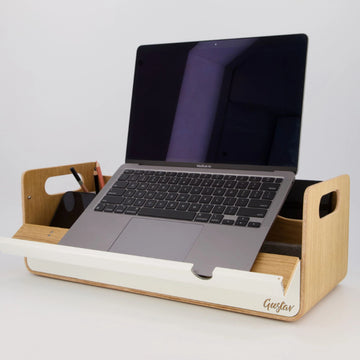
En bærbar organiser kan også erstatte behovet for at sortere genstand for genstand ved hver destination. I stedet for at genopbygge din arbejdsplads fra bunden, flytter du ét kompakt system fra taske til skrivebord. Det er især effektivt i kontorer med desk-sharing, hvor konsistens understøtter en roligere start på dagen.
Beskyt adgang, ikke kun udstyr
De fleste tænker på organisering som beskyttelse af bærbare computere og enheder. Det er vigtigt, men adgang er lige så vigtigt. Hvis den genstand, du har mest brug for, er sværest at nå, fungerer systemet ikke.
Placer genstande, du ofte bruger, hvor de kan nås uden at pakke halvdelen af tasken ud. Din bærbare computer skal være hurtig at tage ud ved sikkerhedskontrol, i møder eller ved et touchdown-skrivebord. Din oplader bør ikke ligge under frokost- eller træningstøj. Høretelefoner skal beskyttes mod tryk, men stadig være lette at få fat i, når et opkald starter uventet.
Der er en balance her. Den mest beskyttede position er ikke altid den mest praktiske. Hvis du bevæger dig meget i løbet af dagen, kan tilgængelighed betyde mere end perfekt kompakt pakning. Hvis du pendler lange afstande på cykel eller tog, kan beskyttelse have højere prioritet. God organisering afspejler faktisk brug, ikke idealiseret orden.
Match din taske til din arbejdsrytme
Ikke alle professionelle har brug for samme opsætning. En arbejdspladskonsulent, der besøger flere steder på en uge, pakker anderledes end en designer, der rejser mellem studie og hjemmekontor. Princippet er det samme, men layoutet ændrer sig.
Hvis din dag er mødetung, skal notesbog, pen, høretelefoner og bærbar computer være umiddelbart tilgængelige. Hvis du regelmæssigt bygger en fuld arbejdsstation med stander, tastatur og mus, skal tasken have nok struktur til at bære disse ting uden at blive klodset eller besværlig. Hvis du primært arbejder digitalt, kan du måske fjerne papir helt og skabe mere plads til ergonomiske værktøjer.
Her bliver designkvalitet praktisk frem for kosmetisk. En veludført taske eller organiser bør understøtte formen på din daglige rutine, ikke tvinge kompromiser ved hvert skridt. Gode materialer, gennemtænkt opdeling og holdbar konstruktion betyder noget, fordi mobilt arbejde belaster tilbehør mere end et statisk kontor nogensinde gjorde.
Vedligehold systemet på fem minutter
Selv den bedste organisering af tasken glider, hvis der ikke er et nulstillingspunkt. Den nemmeste metode er en kort tjek ved dagens afslutning, før du forlader kontoret eller lukker computeren derhjemme. Fjern affald, læg værktøjer tilbage i deres zone, og tjek om noget ikke skal med i morgen.
Det er også tidspunktet til at genopfylde. Pak penne igen, oplad enheder og læg eventuelle lånte adaptere eller notesbøger tilbage i tasken. Et system føles kun effektivt, hvis det er klar, før næste rejse begynder.
Ugentlig vedligeholdelse hjælper også. Tøm tasken helt, tør indersiden af, hvis nødvendigt, og vurder, hvad der er samlet op. Kvitteringer, emballage, ekstra kabler og dubleret kontorudstyr har en tendens til stille og roligt at hobe sig op. Hvis det får lov at være, genskaber det den samme uorden, som systemet skulle løse.
En renere taske understøtter et renere skrivebord
Organisering af tasken stopper ikke ved lynlåsen. Det former den arbejdsplads, du skaber, når du ankommer. Når hver genstand har sin plads under transport, er det nemmere at bygge et skrivebord, der føles roligt, gennemtænkt og professionelt.
Det betyder noget i delte kontorer, kundemiljøer og hjemmearbejdspladser. En taske, der åbner op til en gennemtænkt opsætning, signalerer forberedelse. Den reducerer løse genstande på skrivebordet, forkorter opsætningstiden og gør pakningen ved dagens slutning mindre stressende. For teams, der indfører clean desk-politikker eller mere fleksible arbejdspladsmønstre, er den konsistens særligt nyttig.
God organisering af kontortasken handler ikke om at bære et perfekt sæt. Det handler om at bære det rigtige, i den rigtige rækkefølge, med nok struktur til at understøtte arbejdet uden at skabe støj. Når tasken er på plads, følger resten af dagen som regel med.