Büro-Setup-Bundle für flexible Arbeitstage

Ein geteilter Schreibtisch sollte sich nicht wie ein Kompromiss anfühlen. Das richtige Büro-Setup-Bundle gibt jeder Person einen klaren Platz für ihre Arbeitsmittel, eine komfortable Bildschirmposition und eine Arbeitsfläche, die vom ersten Meeting bis zur letzten Aufgabe durchdacht wirkt. So wird aus einem nicht zugewiesenen Schreibtisch, dem Küchentisch oder einem Arbeitsplatz beim Kunden eine vertraute Basis für konzentriertes Arbeiten.
Für Organisationen ist dies mehr als eine Sammlung von Zubehör. Es ist eine praktische Ebene innerhalb einer flexiblen Arbeitsplatzstrategie. Für selbstständig oder individuell arbeitende Berufstätige bietet es die Möglichkeit, das Wesentliche mitzunehmen, ohne die Last eines festen Büros mit sich zu tragen.
Was ein Büro-Setup-Bundle leisten sollte
Flexibles Arbeiten hat die Rolle des Schreibtischs verändert. Statt einer Person zu gehören, kann er an einem Tag von mehreren Menschen genutzt werden, die jeweils mit unterschiedlichen Geräten, Routinen und ergonomischen Anforderungen kommen. Eine Clean-Desk-Regel kann das Büro ordentlich halten, funktioniert aber nur, wenn Mitarbeitende ihre benötigten Dinge sinnvoll transportieren, organisieren und am Arbeitsplatz anordnen können.
Ein Büro-Setup-Bundle unterstützt diesen Übergang. Es vereint die zentralen Elemente eines produktiven Arbeitsplatzes, sodass sie als System und nicht als Sammlung voneinander unabhängiger Gegenstände funktionieren. Das Ergebnis sind weniger visuelle Unruhe, weniger lose Kabel und weniger Zeit, die vor Arbeitsbeginn mit der Suche in der Tasche verloren geht.
Ein gut konzipiertes Bundle sollte Nutzerinnen und Nutzern helfen, drei Dinge schnell zu erledigen: die benötigte Ausrüstung zwischen verschiedenen Orten zu transportieren, eine komfortable Arbeitsposition einzurichten und den Schreibtisch beim Weitergehen ordentlich zu hinterlassen. Diese Prinzipien sind in einem Büro mit geteilten Schreibtischen, im Homeoffice und in einem Projektraum gleichermaßen wichtig.
Der Vorteil ist die Beständigkeit. Wenn sich das Setup vertraut anfühlt, kann sich die arbeitende Person an einen neuen Ort anpassen, ohne den Arbeitsplatz von Grund auf neu einzurichten. Das sorgt für ein ruhigeres, souveräneres Arbeiten in Umgebungen, die auf Bewegung ausgelegt sind.
Die Elemente, die ein Bundle funktional machen
Das beste Bundle ist nicht unbedingt das mit den meisten Teilen. Es ist dasjenige, bei dem jeder Gegenstand seinen Platz verdient.
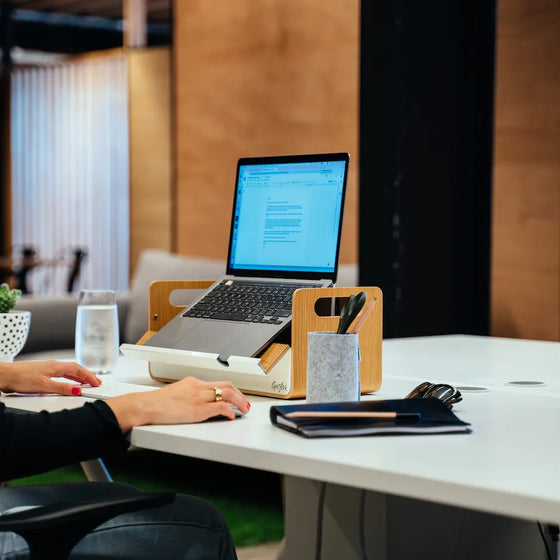
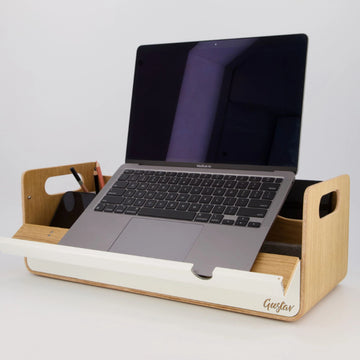
Ein tragbarer Schreibtisch-Organizer ist häufig der Ausgangspunkt. Er hält die täglichen Arbeitsmittel zusammen – vom Notizbuch und Ladekabel bis zu Maus, Stift und Kopfhörern. Noch wichtiger: Er gibt diesen Dingen einen festen Platz, sobald sie auf dem Schreibtisch ankommen. Ein gut proportionierter Organizer sollte leicht zu transportieren, geöffnet stabil und kompakt genug sein, um platzsparend verstaut werden zu können.
Ein Laptopständer bildet den ergonomischen Mittelpunkt. Ein höher positionierter Bildschirm schafft eine angenehmere Sichthöhe und lässt einen temporären Arbeitsplatz bewusster gestaltet wirken. Die richtige Wahl hängt vom Gerät und vom Arbeitsmuster der jeweiligen Person ab. Wer über längere Zeit arbeitet, profitiert möglicherweise davon, einen erhöht aufgestellten Laptop mit einer externen Tastatur und Maus zu kombinieren, während mobile Berufstätige eher einen Ständer bevorzugen, der flach zusammengelegt und in wenigen Sekunden aufgestellt werden kann.
Eine Schreibtischunterlage schafft eine persönliche Arbeitszone. Sie definiert den Bereich optisch, schützt die Oberfläche des Schreibtischs und bietet alltäglichen Gegenständen einen ruhigeren Platz. In einem gemeinsam genutzten Arbeitsumfeld kann diese einfache Abgrenzung eine große Reihe identischer Schreibtische einladender wirken lassen, ohne am Ende des Tages etwas zurückzulassen.
Eine Tech-Tasche oder Arbeitstasche führt das System schließlich beim Transport zusammen. Sie verhindert, dass Kabel und Adapter zum losen und leicht vergessenen Teil des Setups werden. Die besten Designs ermöglichen es, auf einen Blick zu sehen, was eingepackt ist, statt jeden Ortswechsel in eine Suchaktion zu verwandeln.
Das Bundle an der tatsächlichen Mobilität ausrichten
Das eine ideale Büro-Setup-Bundle gibt es nicht, denn Arbeitsmuster unterscheiden sich. Ein Berater, der zwischen Kundenstandorten unterwegs ist, hat andere Prioritäten als eine Designerin, die ihre Zeit zwischen Studio und Zuhause aufteilt. Ein Facility Manager, der eine Fläche mit geteilten Schreibtischen plant, muss außerdem Lagerung, Reinigung und ein einheitliches Erscheinungsbild im gesamten Büro berücksichtigen.
Bei besonders mobilem Arbeiten sind Gewicht und Aufbaugeschwindigkeit am wichtigsten. Wählen Sie einen kompakten Organizer, einen klappbaren Laptopständer und eine Tasche, die ohne zusätzliche Umstände vom Gepäck auf den Schreibtisch wechseln können. Die Materialien sollten regelmäßiger Handhabung standhalten und ihre Oberfläche langfristig bewahren.
Bei einer hybriden Homeoffice-Lösung kann der Schwerpunkt stärker auf Komfort und Beständigkeit liegen. Eine Schreibtischunterlage kann den Arbeitsplatz zu Hause bewusster wirken lassen, während ein Laptopständer bei längeren Arbeitssitzungen eine bessere Bildschirmhöhe ermöglicht. Das Bundle sollte sich dennoch leicht verstauen lassen, wenn der Esstisch mehreren Zwecken dient.
Für Teams mit geteilten Schreibtischen ist Standardisierung besonders wertvoll. Ein stimmiges Set tragbarer Arbeitsmittel macht die Erwartungen klar: Nutzerinnen und Nutzer können ihren Schreibtisch für den Tag individuell einrichten und anschließend effizient wieder zurücksetzen. Außerdem verhindert es die uneinheitliche Erfahrung, die entsteht, wenn einige Mitarbeitende mit einem vollständigen Setup erscheinen und andere nur einen Laptop und ein Ladegerät dabeihaben.
Das bedeutet nicht, dass jede Person identisches Zubehör benötigt. Ein flexibles Bundle kann eine gemeinsame Grundlage bieten und zugleich rollenspezifische Ergänzungen ermöglichen. Wer mit mehreren Geräten arbeitet, benötigt möglicherweise ein ausgefeilteres Kabelmanagement; Personen, die skizzieren, Muster begutachten oder mit Papier arbeiten, schätzen vielleicht mehr Arbeitsfläche und leicht zugänglichen Stauraum.
Ergonomie sollte die Nutzer begleiten
Ergonomie wird häufig als Thema des festen Büros betrachtet und mit einem dauerhaft zugewiesenen Schreibtisch verbunden. In der Praxis benötigen Menschen, die flexibel arbeiten, ergonomische Unterstützung gerade deshalb, weil sich ihre Umgebung verändert.
Ein Laptop, der direkt auf einem niedrigen Schreibtisch steht, fördert einen nach unten gerichteten Blickwinkel. Über einen ganzen Arbeitstag kann das den Arbeitsplatz unnötig unkomfortabel machen. Ein tragbarer Ständer schafft eine bessere Ausgangsposition, sollte aber als Teil der gesamten Anordnung beurteilt werden. Bildschirmhöhe, Tastaturposition, Stuhleinstellung und Schreibtischtiefe beeinflussen das Endergebnis gleichermaßen.
Das Ziel besteht nicht darin, in jedem Café oder jedem temporär genutzten Arbeitsbereich einen vollständig ausgestatteten Arbeitsplatz nachzubilden. Es geht darum, dort, wo es praktisch möglich ist, eine spürbare Verbesserung zu schaffen. Ein leichter Ständer, externe Eingabegeräte und eine Schreibtischunterlage können eine komfortablere und besser organisierte Arbeitsposition ermöglichen, ohne Mobilität zur Belastung zu machen.
Für Arbeitsplatzplaner ist diese Unterscheidung hilfreich. Das Büro sollte unterstützende Möbel und verschiedene Arbeitsumgebungen bieten, während ein Büro-Setup-Bundle den Menschen eine persönliche, tragbare Ebene gibt, die sie zwischen diesen Orten mitnehmen können.
Designqualität ist betriebliche Qualität
Bei hochwertigen Accessoires für den Arbeitsplatz ist Design keine nachträglich hinzugefügte Dekoration. Es entscheidet darüber, ob ein Produkt jeden Tag verwendet wird.
Ein durchdachter Organizer lässt sich leichter packen. Ein stabiler Laptopständer wird mit größerer Wahrscheinlichkeit dauerhaft genutzt. Eine Schreibtischunterlage mit hochwertiger Haptik lässt eine temporäre Arbeitsstation bewusst gestaltet wirken. Kleine Details wie Kanten, Verschlüsse, Materialgefühl und die Art, wie Teile gefaltet oder ineinandergesteckt werden, beeinflussen den Alltag stärker, als es Spezifikationen allein vermuten lassen.
Qualität ist auch im größeren Maßstab wichtig. Wenn eine Organisation eine Umgebung mit geteilten Schreibtischen ausstattet, werden die Accessoires Teil der visuellen Sprache des Arbeitsplatzes. Eine stimmige Farb- und Materialauswahl kann eine ruhige, professionelle Atmosphäre unterstützen – insbesondere in Büros, in denen freie Oberflächen und anpassbare Arbeitsumgebungen zentral für das Design sind.
Gustav verbindet dieses Gleichgewicht durch preisgekröntes Industriedesign, mobile Funktionalität und Materialien wie nachhaltig angebautes Holz und recycelte Materialien. Für Käuferinnen und Käufer lautet die entscheidende Frage nicht einfach, ob ein Accessoire gut aussieht. Es geht darum, ob sein Design flexibles Arbeiten Tag für Tag leichter aufrechterhalten lässt.
Fragen vor der Auswahl eines Bundles
Bevor Sie ein Bundle für sich selbst oder ein Team auswählen, beginnen Sie mit den Situationen, die für Reibungsverluste sorgen. Ist es der Weg vom Schließfach zum Schreibtisch? Das Durcheinander aus Ladegeräten und kleinen Arbeitsmitteln? Die fehlende Möglichkeit, den Laptop komfortabel zu positionieren? Oder die Zeit, die benötigt wird, um den Schreibtisch vor dem Gehen aufzuräumen?
Betrachten Sie anschließend den physischen Transportweg. Ein Bundle, das im öffentlichen Nahverkehr genutzt wird, benötigt ein anderes Verhältnis von Schutz, Gewicht und Kompaktheit als eines, das zwischen Homeoffice und nahe gelegenem Arbeitsplatz bewegt wird. Ein Produkt, das auf dem Schreibtisch hervorragend funktioniert, aber unpraktisch zu transportieren ist, wird echte Flexibilität kaum unterstützen.
Für Organisationen lohnt es sich, das Setup vor einer breiteren Einführung mit repräsentativen Nutzerinnen und Nutzern zu testen. Beziehen Sie Personen mit unterschiedlichen Rollen, Geräten und Arbeitsweisen ein. Beobachten Sie, wie lange der Aufbau dauert, ob sich die Gegenstände problemlos wieder in der Tasche verstauen lassen und ob das Bundle in vorhandene Schließfächer und Aufbewahrungssysteme passt. Diese praktischen Details beeinflussen die Akzeptanz.
Auch die Langlebigkeit sollte in die Entscheidung einfließen. Häufig genutztes Zubehör muss tägliches Ein- und Auspacken sowie die Nutzung in gemeinsam verwendeten Arbeitsumgebungen verkraften. Achten Sie auf eine durchdachte Konstruktion, wo möglich auf reparierbare oder widerstandsfähige Komponenten und auf einen klaren Produktsupport – einschließlich einer zweijährigen Garantie, sofern angeboten.
Ein Arbeitsplatz, der bereit ist, wenn Sie es sind
Der Wert eines Büro-Setup-Bundles zeigt sich in den ersten Minuten des Tages. Statt die Ausrüstung über eine unbekannte Oberfläche zu verteilen, öffnet die nutzende Person ein organisiertes System, schafft eine klare Arbeitszone und beginnt mit der Arbeit.
Dieses kleine Ritual hat eine größere Wirkung. Es unterstützt aufgeräumtere gemeinsam genutzte Bereiche, sorgt für eine einheitlichere Erfahrung an verschiedenen Orten und verleiht dem alltäglichen Einrichten eine hochwertige Note. Die besten flexiblen Arbeitsplätze verlangen nicht, dass Menschen zwischen Mobilität und Komfort wählen. Sie bieten beides – und damit einen praktischen Ausgangspunkt.